Find the hitch behind the average
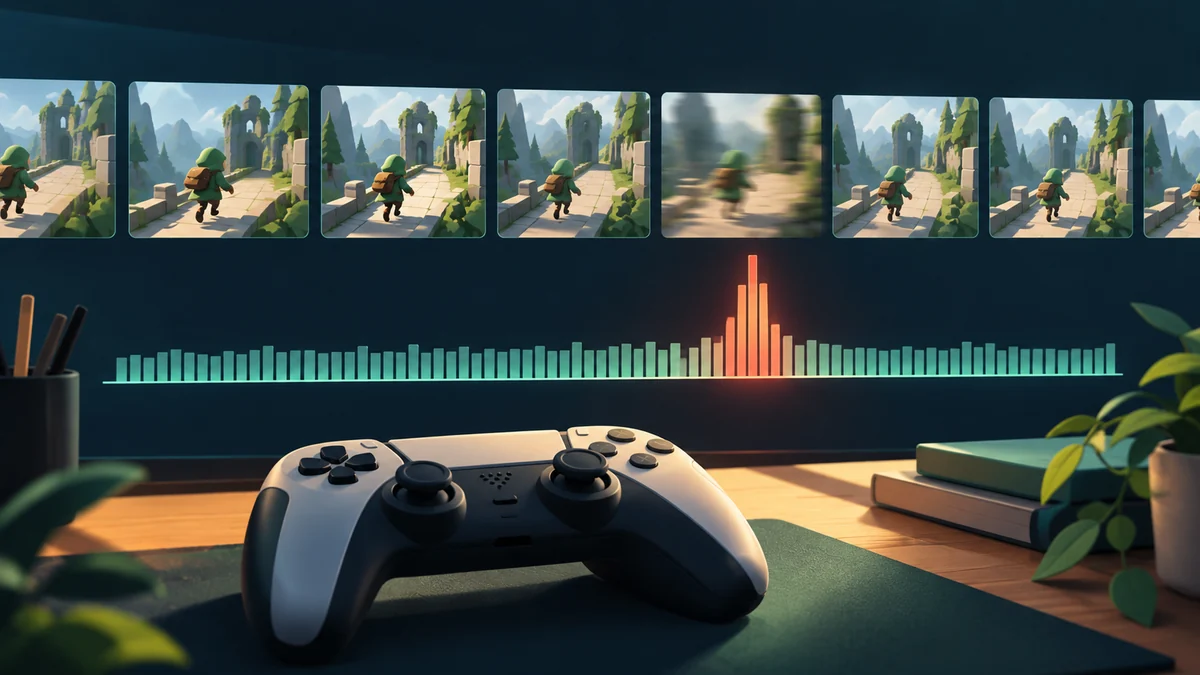
Frame time describes the duration of an individual frame. An average can hide occasional expensive moments that a player notices as a hitch. Unity’s Profiler can help inspect the work around a troublesome frame rather than encouraging a guess about the whole application.
A menu may run smoothly except when ten reward coins appear. A good average frame rate does not explain that moment. Inspect frames around the reward and identify work that suddenly increases. For perspective, sixty frames per second corresponds to roughly 16.7 milliseconds per frame. That arithmetic does not guarantee a phone’s performance. A long frame can hide among short ones while remaining visible as a pause to the player.
Replay the same reward sequence
Record a short session that includes ordinary play and the reward moment that feels slow. Inspect the frame around that moment rather than only a session average. Repeat on the intended phone with the same action sequence. Write which work increased and what you changed. Afterward, replay the same route; do not compare a busy first run with an idle second run.
Choose one change, such as preparing an effect earlier, and measure the same reward again. Do not simultaneously alter artwork quality, coin count and reward rules, or the cause of a difference becomes unclear. Profiler can reveal execution costs, but Editor measurement differs from target-device experience. Record build and measurement settings. If only the first run hitches, investigate initial loading; if every run does, examine recurring work separately.
Report numbers with their conditions
Inspect the visual outcome alongside any cost improvement. An inexpensive effect that no longer communicates credited coins creates a new problem. Report which frame was expensive on which device and route, and what changed afterward. An unqualified percentage offers little help to the next reader, and one observation cannot certify the whole game as smooth. The exercise investigates one pause while preserving the reward’s meaning, building a useful measurement habit from a bounded problem.
Further reading: Unity: Profiler
For a related example, read Debugging Without Panic: Turn a Bug into a Small Question.