The problem I needed to solve
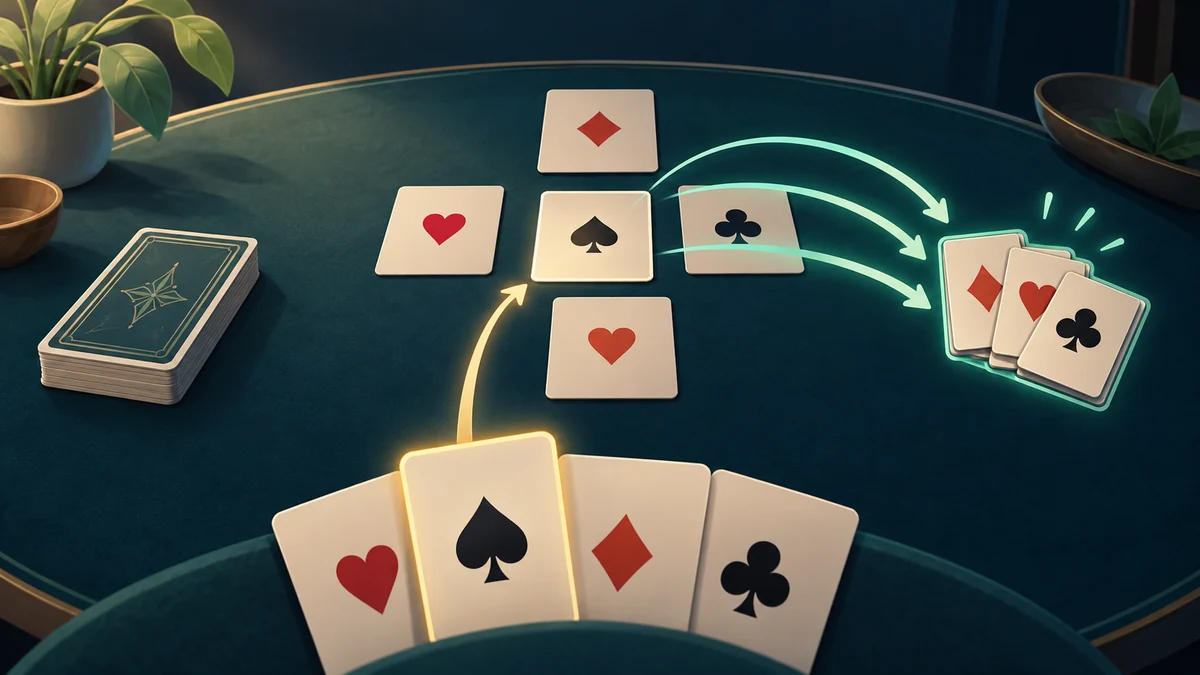
Four cards on screen are not enough to implement Hokm correctly. I need to know each seat’s team, partner and successor without tying rules to visual coordinates.
Implementation in this snapshot
HokmSeatResolver.GetTeam reads HokmGameConfig. GetPartnerSeat finds the other teammate, while ArePartners does not classify a seat as its own partner.
The design decision and its cost
BuildTurnOrderFrom creates an order beginning at a seat and wraps indices. I kept Hokm’s direction contract explicit; it should not be guessed from index signs in TurnManager.
Current boundaries
An incomplete configuration can have no partner, causing an error. This class does not inspect avatar positions or UI coordinates, so incorrect visual wiring remains a separate concern.
Logical table direction and visual rearrangement
If a mobile table rotates to keep the human player at the bottom, partnership must survive avatar rearrangement. GetTeam reads HokmGameConfig, and GetPartnerSeat searches that configuration for a different seat with the same TeamId. Visual left and right are therefore not scoring authorities. This also matters for bots: supporting a partner must depend on seat identity, not on which card appears closest or opposite in the Canvas.
Here, GetNextSeat increments the seat index for CounterClockwise and decrements it for Clockwise. That contract should not be guessed from the generic turn manager’s direction sign. FromSeatIndex wraps across four seats and corrects negative indices. BuildTurnOrderFrom produces four entries along that path, beginning with its argument. Passing that explicit list to dealing or Hakem selection helps their ordering follow a single definition.
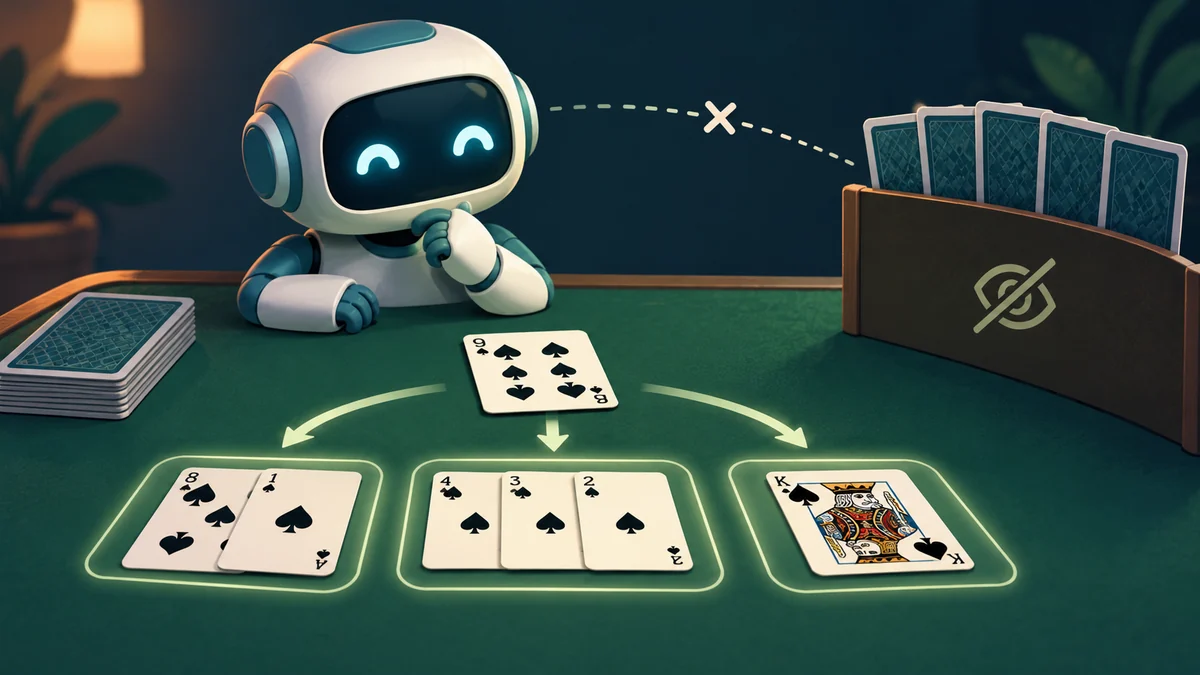
ArePartners requires distinct seats, whereas GetTeam only answers team membership. A seat shares its own TeamId but is not its own partner in gameplay terms. That distinction can prevent a bot from incorrectly treating itself as a partner to support. The resolver validates seat-ID range, though it does not repair incomplete configuration or incorrect visual wiring. Missing partner data raises an error and should lead to correcting the configuration rather than inventing a partner.
What this stage taught me
When bots or scoring ask about teams, one central answer is preferable. This boundary separates the meaning of partnership from the table’s apparent left and right.