The problem I needed to solve
My teammate wrote Pasur. My role in Dalo’s narrative is explaining how that work joins the shared structure, rather than claiming his gameplay implementation as my own.
Implementation in this snapshot
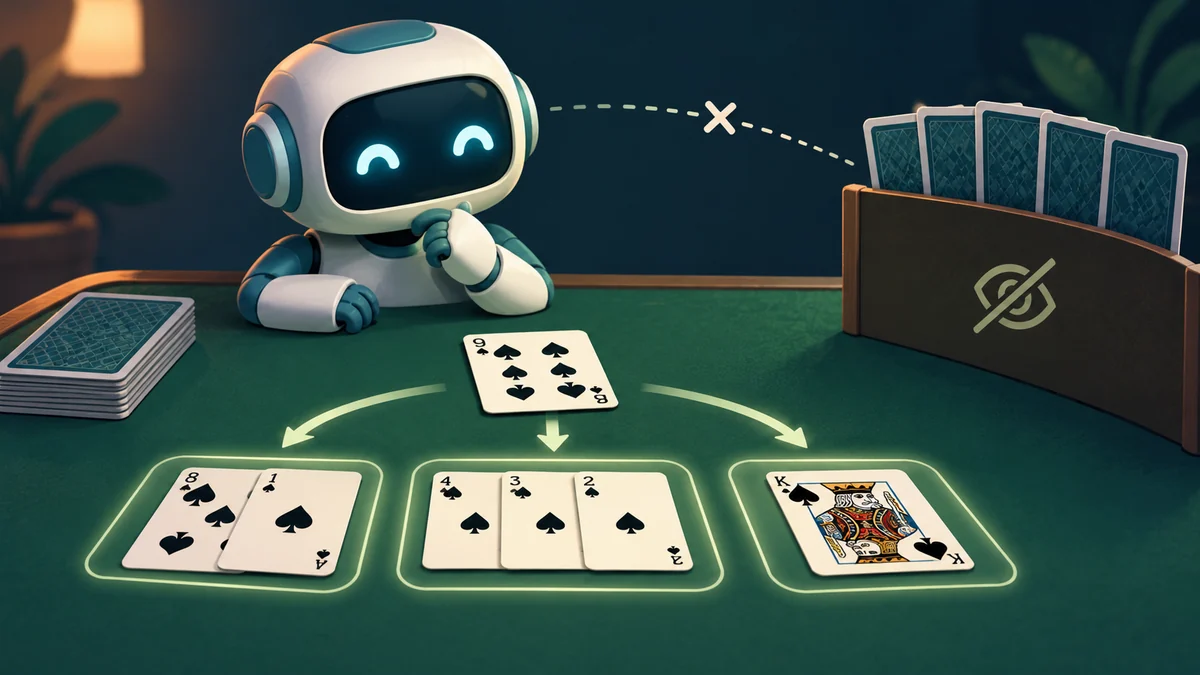
PasurSceneRunner coordinates game state, hand and table interfaces, card motion, mode selection and results. PasurGame uses shared RuntimePlayer, RuntimeDeck and CardInstance while its rules stay within Pasur.
The design decision and its cost
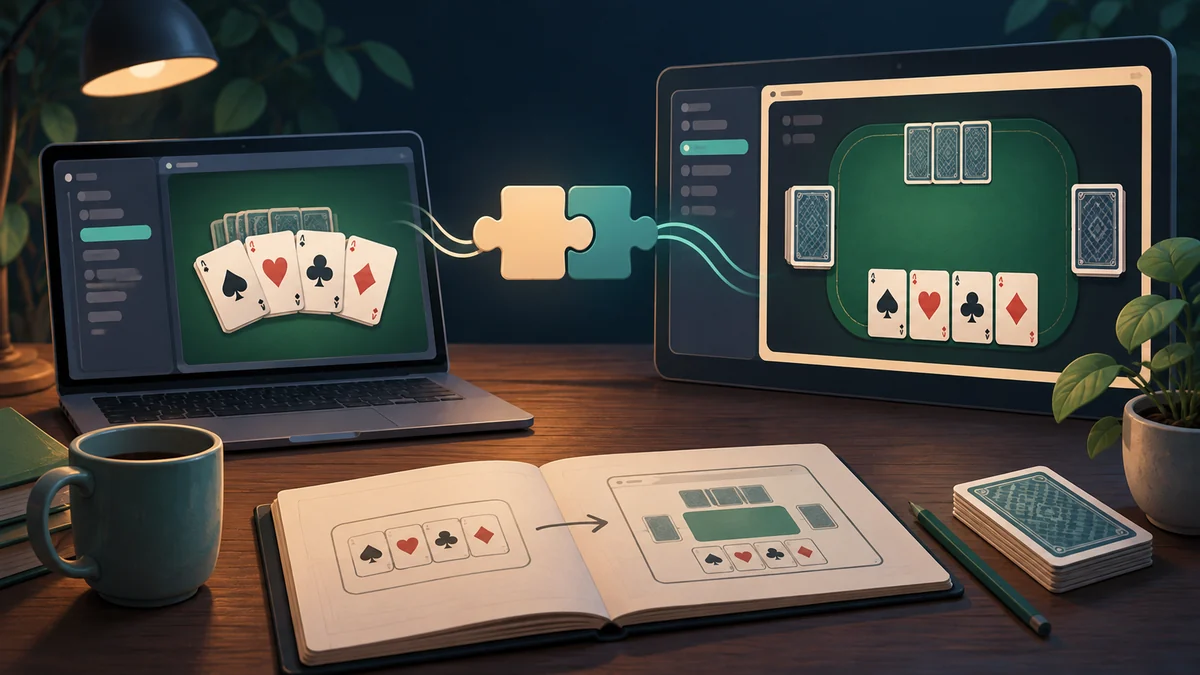
Reusing JokerHandView and shared settings shows that reuse extends beyond logical primitives. Pasur’s specialized runner still owns capture sequencing and round completion.
Current boundaries
Compatible components do not eliminate every dependency. Scene references, two/four-player modes and table input still need verification in the complete project.
Review scenarios and contract meaning
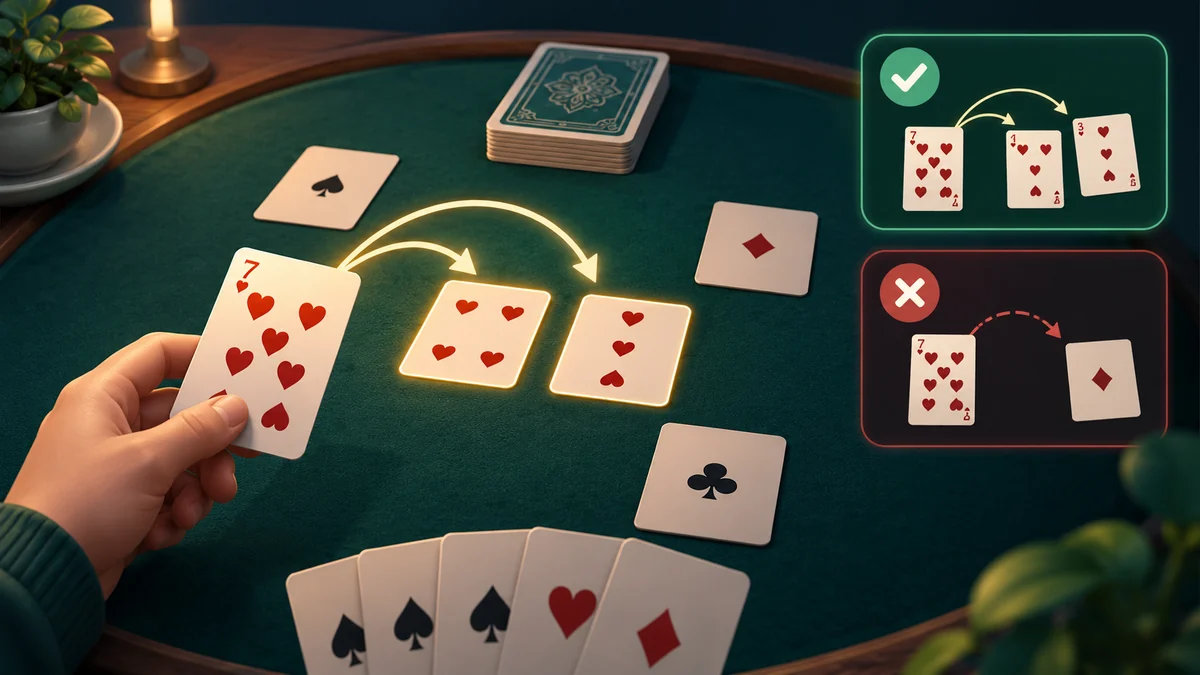
In this project’s account, I credit my teammate with writing Pasur’s rules. What matters for my review is how that work enters Dalo: a new game needs to understand shared cards, players and decks while retaining its own rules. RuntimePlayer, RuntimeDeck and CardInstance demonstrate that common vocabulary. Table captures, two- or four-player modes and round endings remain Pasur concerns needing a specialized runner. Reuse does not mean making every game flow identical.
A practical collaboration example is changing card appearance or shared settings. A component with a clear contract can be consumed by the new game without rewriting its rules for each skin. Scene references, hand and table binding, and input still require inspection in the complete project; matching class names are insufficient. Reusing JokerHandView also requires attention to Pasur’s specific hand behavior. The source establishes visible integration points, not that every device scenario has been tested. This view preserves my teammate’s credit and keeps integration review separate from a claim to have written the entire game.
Clear responsibility in the write-up is part of collaboration. I can discuss shared settings, launch and presentation while crediting Pasur’s specialized code to its author. That precision prevents mistaken authorship assumptions. Project coherence comes from common contracts rather than every file having one author or every game sharing one runner.
What this stage taught me
For me, this became a practical measure of collaboration. Clear shared contracts let a teammate add his game while I address integration boundaries and product experience without claiming ownership of his work.